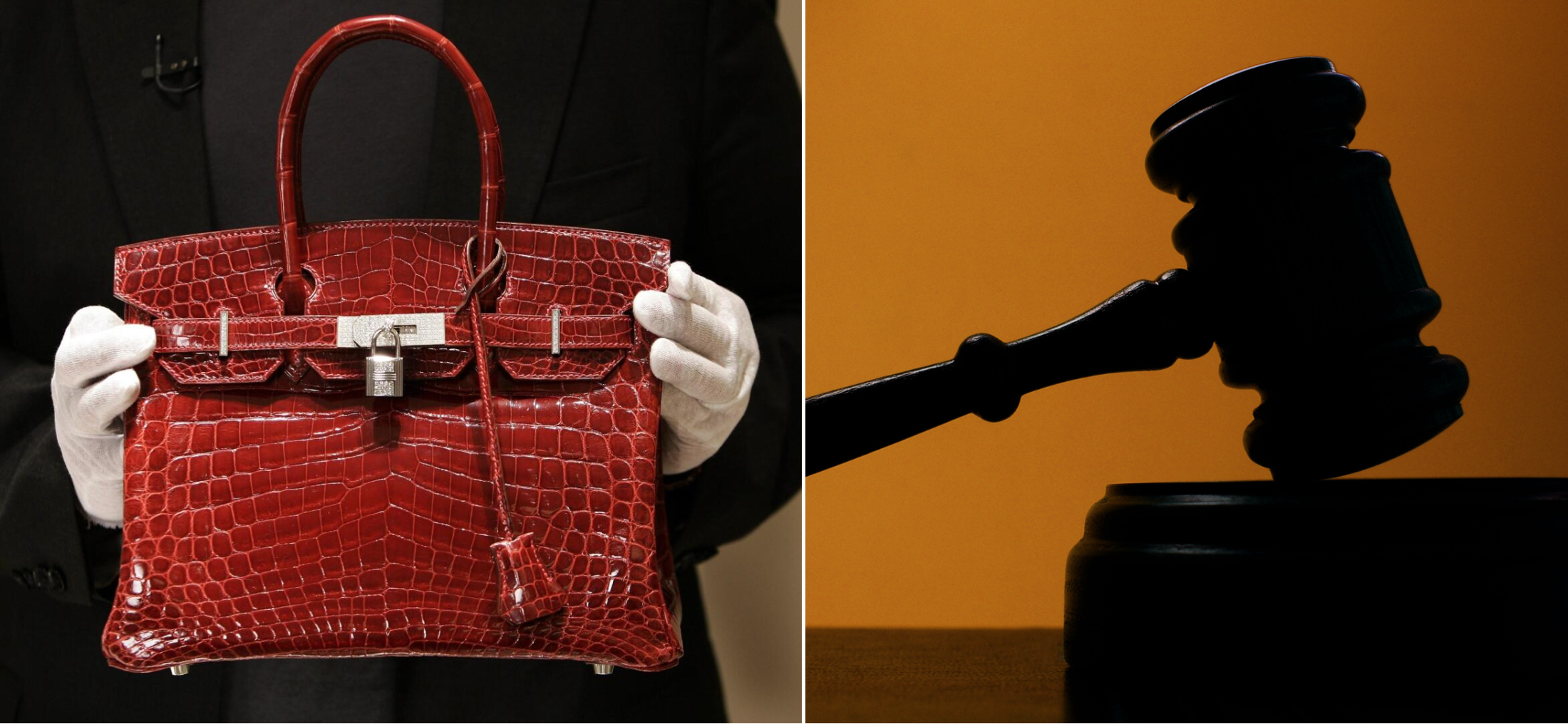

The recent antitrust lawsuit filed against Hermès, accusing it of engaging in anti-competitive practices with its iconic Birkin bags, highlights a significant moment in luxury goods sales practices that may indeed alter consumer attitudes towards the luxury brand. The lawsuit has captured the attention of social media viewers across the world with more than 1400 comments on Diet Prada’s Instagram post for this news piece alone. Last week we discussed the impact of the consumer buying process on luxury businesses. In this article we aim to understand how this lawsuit could influence buyer psychology by delving into the concept of attitudes and their formation, particularly within the context of luxury brand consumption. Let’s first consider the definition of attitudes in the context of buyer psychology.
In buyer psychology, attitudes are understood as a learned tendency to evaluate things in a certain manner or thought process. “Things” can include objects, issues, events, or people. Attitudes significantly impact the decision-making process of consumers, guiding their behaviors towards a product or a brand. The Tricomponent Attitude Model, comprising cognitive, affective, and conative components, provides a clear framework for understanding these attitudes. This model suggests that a person’s knowledge about an object (cognitive), their feelings towards it (affective), together with their predisposition to respond in a certain way to it (conative), all play a crucial role in shaping attitudes.

The lawsuit against Hermès has brought to light allegations that the brand manipulates the market for its Birkin bags, exploiting their scarcity and high demand to inflate prices and persuade consumers into purchasing additional products. This took many viewers of news and social media followers by surprise. While many commenters have shared their own experience being on the receiving end of such an alleged practice, others see no issues as they deem it may be a demand management response to the handmade atelier-built product. However, this allegation, requiring customers to build a purchase history of ancillary Hermès products before being considered for a hero product, puts the brand image in a negative space as the brand is accused of engaging in unfair competition and potentially violating antitrust laws.
This scenario directly taps into the cognitive and affective components of consumer attitudes. The cognitive aspect, or beliefs about the brand’s alleged practices, may be significantly tainted by existing and newly changed perceptions of exclusivity-driven manipulation. Meanwhile, the affective component, or how consumers feel about the brand, may likely shift from aspiration and admiration to skepticism and dislike. The cumulative effect could deter potential buyers, impacting their purchase intentions and loyalty.
Considering that the public is already not withholding from sharing their shock and distaste about the news and the alleged unfair practices, the conative aspect cannot be ignored. This news has clearly motivated the public to take action on social media and news websites, this could be a leading indicator of how the consumers attitudes may change in the future and lead to those members of the public refraining from making purchases from the brand. Although it has been reported that about 2% of the top consumers account for 40% of luxury sales, the rest of the sales include medium to low spending clients who still form an important part of the brand’s equity and consume high volume products like fragrances, make up and fashion jewelry. It would be a mistake to ignore this segment’s attitudes towards the brand as they take up the brand equity’s distributive power by carrying a larger proportion of the individuals who hold an awareness and perception about the brand. At the large and global scale of Hermès’ operations, it does matter what the masses think as it directly impacts the demand for their products and the value of the brand.

Furthermore, according to the Elaboration Likelihood Model (ELM), effective communication relies on the ability to persuade through either central (direct, content-focused) or peripheral (indirect, cue-focused) routes. The controversy surrounding Hermès’ sales practices and the lawsuit’s outcome may hinder its ability to effectively use either route. Consumers’ trust and openness to persuasion may be diminished, as the lawsuit brings to light practices that seem at odds with the values of transparency and fairness that are highly valued by today’s consumers. If consumers become more skeptical and motivated to scrutinize the brand’s practices critically (central route), Hermès might find it challenging to rely on the enchantment of exclusivity as a persuasive cue in future marketing efforts.
This new lawsuit and the allegations it has brought to the forefront serve as a pivotal moment for Hermès and the luxury goods industry at large. It underscores the necessity for luxury brands to maintain not just an image of aspiration and quality, but also of fairness and ethical business practices. How Hermès navigates this crisis in the coming months, and how it chooses to communicate with the audience after the lawsuit’s outcome, will heavily influence consumer attitudes and the brand’s standing in the luxury market.

Leave a Reply