
There was a time when most high end designer brands had to launch a diffusion line and when they bid competitively to gather top celebrity forces for their marketing campaigns. From the outside it may not seem that these two instances have much in common, but in truth they represent a strategic branding mechanism which is used by most large scale brands around the world. Where a household brand like Tide has their Tide-Downy products, the world of luxury has Barbie x Moschino, a crossover between a toy company and Moschino’s design philosophy.
While primary brand associations directly emerge from a brand’s product or service attributes, marketing activities, and direct customer experiences, there exists a nuanced meeting point known as secondary brand associations.. Last week we examined the importance of metrics in the context of marketing communications.This article delves into the definition of secondary brand associations and explores how luxury brands adeptly leverage them to enhance their allure and market position.
Secondary brand associations are a brand’s connections with other brands, a mother brand or elements outside its direct product or service offerings. These associations are not inherent to the brand’s physical products or services but stem from the brand’s linkages with other companies, celebrities, characters, countries, channels of distribution, and various events. These connections help to convey certain qualities, beliefs, or perceptions from the associated entity to the brand itself, enhancing the brand’s image in the consumer’s mind. Let’s look at the various streams of secondary associations.

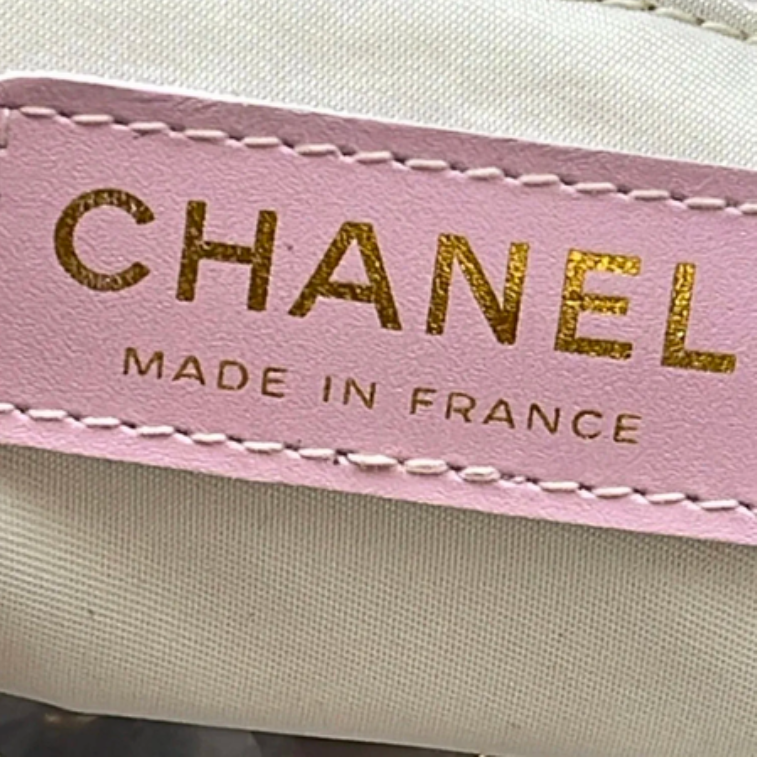
Country of Origin: One significant way luxury brands leverage secondary brand associations is through the country of origin effect. Brands like Levi’s Jeans (United States), Gucci handbags (Italy), and Porsche (Germany) draw on their national cultural characteristics to enhance their brand appeal. Consumers often associate these brands with the perceived qualities of their origin countries, such as fashion and craftsmanship for Italy or engineering precision for Germany .
Channels of Distribution: The choice of retail partners and distribution channels also plays a crucial role in shaping brand perception. Luxury brands are careful about where their products are placed, associating with exclusive and high-end retailers to reinforce their image of quality and exclusivity. Harrods for example has a latin motto “Omnia Omnibus Ubique” which translates to “all things, for all people, everywhere”. Paired with their mission to make “Anything Possible”, this motto conveys that the finest things from all over the world are made available for sale there for worthy clients.
Co-Branding: Co-branding or brand partnerships allow luxury brands to create unique product offerings and tap into the customer bases of allied brands and upcoming target markets. This strategy can lead to a synergistic effect that enhances the perceived value and exclusivity of both brands involved. However, it’s crucial for these partnerships to be thoughtfully executed to avoid diluting the brand or confusing consumers . One such example is Fendance by Fendi and Versace, a collection that was the maximalist multiplication of two Italian fashion giants, their brand icons and design languages.
Licensing: Through licensing, brands can extend their reach into new product categories or markets while maintaining control over their brand image. This approach allows a brand to borrow its brand elements to other companies, thereby expanding its brand equity into new territories. Successful examples in the luxury sector include entertainment franchises like Disney pairing with Givenchy and Studio Ghibli pairing with Loewe.
Celebrity Endorsements and Event Sponsorships: Luxury brands often engage with celebrities and sponsor high-profile events to borrow their shine and popularity. For instance Valentino’s hiring of Florence Pugh, a young Academy nominated actress, is a prime example of leveraging celebrity endorsements to form associations with inspiration, self-confidence, and style . The actress has been dressed by the label for multiple events through her ambassador contract.

Visuals and Art: Visual elements such as logos and symbols, along with partnerships with popular brands or companies, serve as highly effective secondary brand associations in the art-driven world of luxury. In a popular contemporary example, Louis Vuitton partnered with artist Takashi Murakami to blend classic handbag and luggage styles with anime characters and colors. These elements can help a brand to leverage the overlap of positive perceptions of the parent brand or partner brands, making the introduction of new products or services more exciting to consumers.

Just like household brands, luxury brands can also strategically utilize secondary brand associations to enhance their image, appeal to a broader audience, and reinforce their status in the luxury market. Secondary brand associations can also aid luxury start-up brands to capture the attention of target consumers which overlap with those of the partnering company.

This multi-faceted approach, ranging from tapping into the country of origin effects to engaging in co-branding efforts and leveraging celebrity power, showcases the dynamic ways in which luxury brands can deepen their connection with consumers and distinguish themselves in a competitive landscape. Although the streams of secondary associations may differ from one industry to the next, the principle remains the same: two heads are better than one!

Leave a Reply