
2023 was no stranger to large scale acquisitions in the luxury sector, not to mention an IPO which took center stage at the NYSE. The good news is that something is working, a mechanism that traditionally used to go unnoticed and underestimated has come to its fullest potential. The assets, revenue and risk which used to rule the recognition of a business’s value are now being challenged by brand value and brand equity, intangible assets which are becoming increasingly important and complex for appraisers to accurately value. Last week we discussed the factors influencing brand equity, in this week’s article we consider the relationship between brand value and brand equity, their components and why they form part of the long term vision of a business.
Brand valuation, essentially, is an analysis of a company’s financial worth, a collection of both tangible and intangible assets, amongst other recognized classes. This includes everything from financial performance to elements like brand recognition, customer perception, and customer loyalty. A brand’s value contributes heavily to the company’s overall valuation, serving as a guidepost for measuring company performance and aiding in strategic decisions such as brand repositioning, licensing, and financial reporting.
In recent times the media has used the term “valuation” interchangeably with the term brand value, especially when reporting on large scale M&A transactions. During the recent IPO of Birkenstock on the NYSE, it was widely reported that the brand was valued at $8 billion. What was initially unclear was whether this valuation was of the business in its entirety or the brand’s value alone. Upon further inspection it was understood that this valuation had accounted for the intangible assets that would include brand value and brand equity. But what does brand value mean in the context of building a brand?

It is important to consider that the concept of brand value can be layered and multifaceted, involving various elements ranging from logos and visual elements to intellectual property rights and a holistic view of the brand as part of the entire organization. This broader perspective encompasses a bundle of assets like domain names, product designs, trade dress, and more, all contributing to consumer loyalty and brand distinction . However a business is not limited to these definitions alone.
Realistically speaking, there are several methods employed to value a brand, each with its unique focus and application. These include the cost approach (assessing the cost of developing the brand), the market approach (determining the highest price a brand could be sold for in the market), and the income approach (calculating the future net earnings of the brand to provide its current worth). Often appraisers and accountants use a combination of these methods to calculate a brand and business valuations.
Building a brand is considered a long term exercise and involves creating value through a series of ongoing or cyclical activities which help build brand equity both within the business and in the market. The brand value chain model is a methodical way to assess the sources and results of brand equity, the value chain is commenced by the business recognizing a collective financial investment in efforts such as brand building, storytelling and marketing. This investment also helps aid the cost approach in accurately valuing a brand. For brands like Delvaux which was acquired by the Richemont group in 2021 for $300 million, the value chain process has been going on for almost 200 years.
Brand building fundamentally can be broken down into four stages. Firstly, identity building and clarification, where the company defines to the public, what they do and the categories under which they serve the public. Second comes defining the meaning of the brand, this is where the company aims to explain who they are. Thirdly there is response generation, where a brand aims to understand how consumers judge and feel about the brand. The last stage involves relationship building, where a brand hopes to build a loyal community which engages intensely with it.
In the context of luxury goods, brand value creation is especially significant. Luxury brands are known not to just sell products; they sell an experience, an emotion, and a status symbol. Thus, the emotional objectives of the brand building exercise become pivotal. The Brand Resonance Model, for instance, guides this process by focusing on building a strong, personal, and emotional connection with the customers over the four stages of brand development and throughout the brand value chain. This model emphasizes aspects like brand salience, performance, imagery, judgments, feelings, and resonance, all contributing to a strong brand identity and customer loyalty.

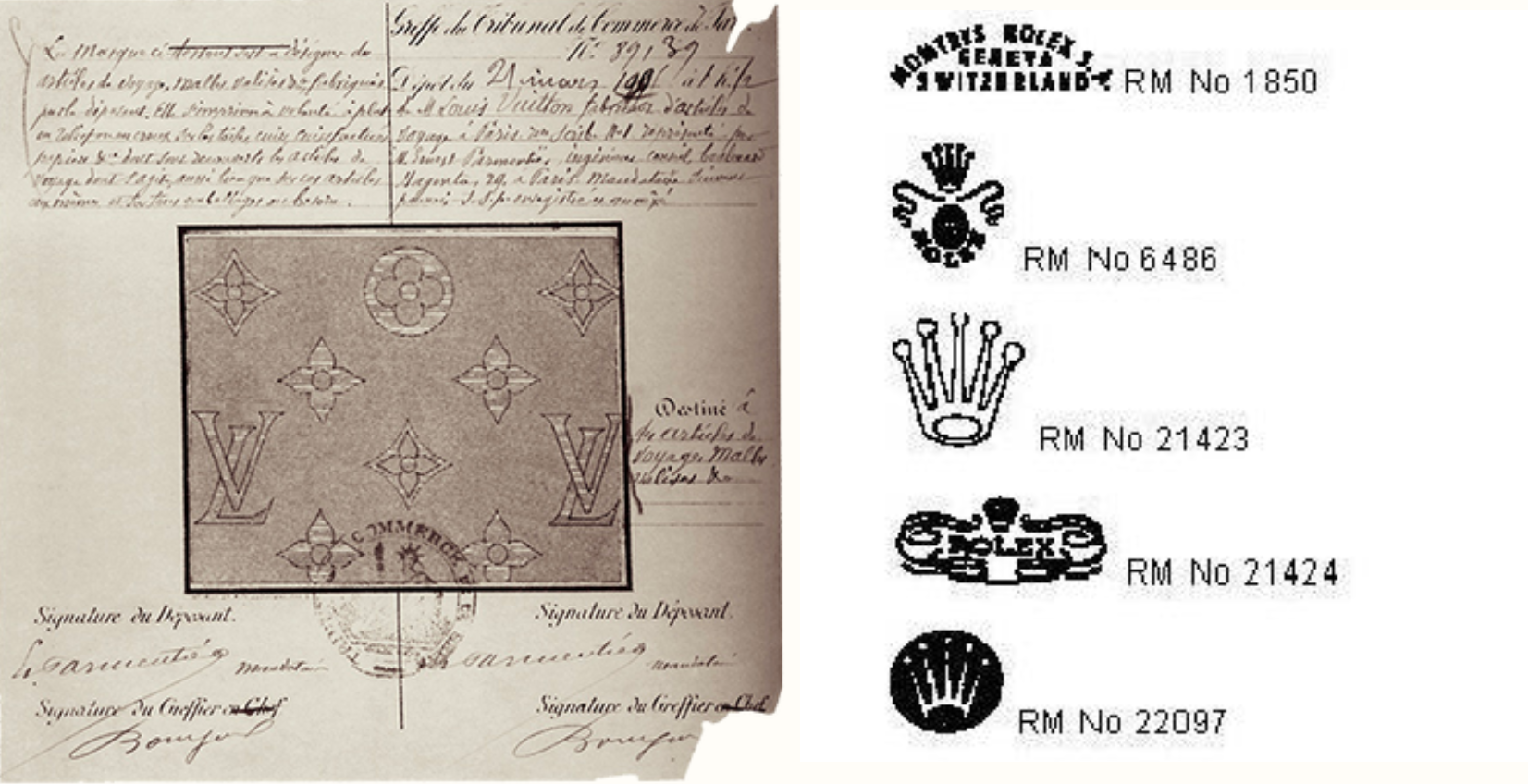
Building a brand identity across all sectors involves key components such as brand positioning, brand personality, and brand elements. Brand positioning requires identifying and occupying a distinct place in the minds of the target audience. Brand personality involves characterizing the brand in a way that resonates with the audience on an emotional level and helps generate a genuine interaction with them. Brand elements include names, logos, symbols, slogans and colors, which come together to create a memorable and separately identifiable brand. Real-life examples from the luxury goods industry, like the iconic Louis Vuitton monogram or the distinctive Rolex crown, illustrate the power of these components in creating a globally recognized and revered brand identity.
In essence, the value of a brand is not limited by its immediate profits and physical assets but stands to recognize the continual progression towards creating a stronger emotional connection with consumers. Recent examples in the luxury sector and the language used in the media indicate that brands are being sold at staggering valuations predominantly for their brand value. This highlights the immense potential of brand building in adding value to a business both operatively and as a separately legal entity.
Thus, for young brand managers and luxury brand start-ups, understanding and understanding, planning and leveraging the complex dynamics of brand valuation are key to unlocking success by creating a lasting brand identity that is likely to resonate with consumers for generations to come.

Leave a Reply